
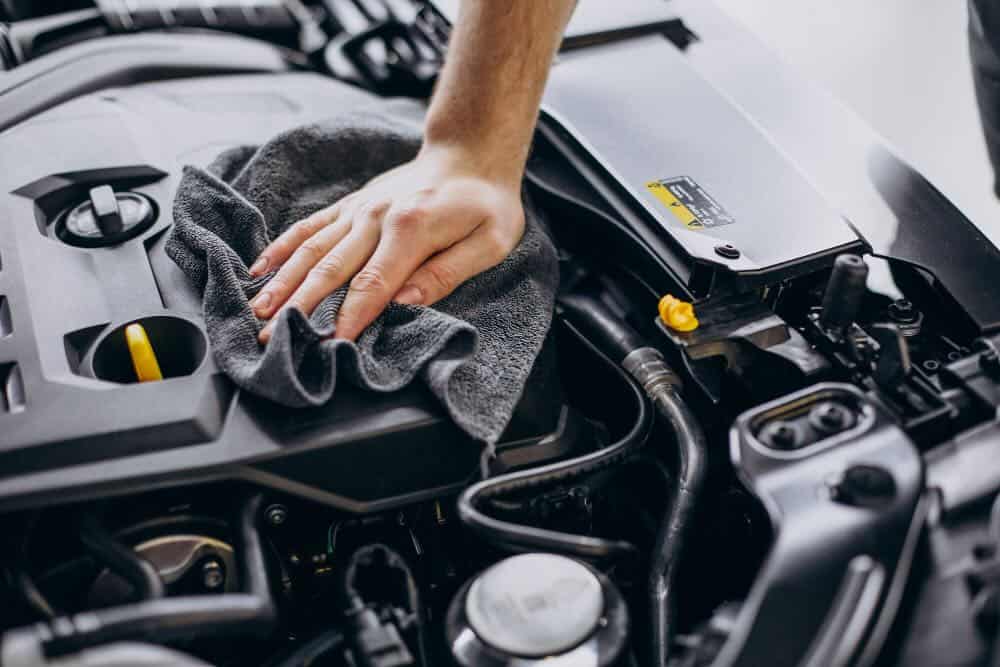
Keeping a vehicle clean and well-maintained involves more than just caring for its exterior. Engine cleaning plays a crucial role in extending the lifespan of engine components and improving overall vehicle performance. Additionally, removing accumulated dirt and grime from the engine bay enhances both safety and efficiency. For this reason, choosing and applying an effective engine cleaning method is essential.
There are many different engine cleaning techniques available, but because the process requires precision, selecting the correct and safe method is very important. Using specialized products—such as engine cleaning sprays—helps dissolve dirt, oil, and grease while protecting engine components. With proper engine cleaning, you can enhance your vehicle’s performance and ensure long-term reliability.
Engine Cleaning
Engine cleaning is an essential maintenance step that directly affects a vehicle’s performance. This process involves several stages and typically requires products like engine degreasers or motor oil cleaners. First, the engine must be completely cool before cleaning begins, and all sensitive electronic components must be protected. Next, engine degreaser can be applied to contaminated areas; however, the process must be handled carefully, as cleaning wet surfaces without proper precautions may pose risks.
Preparation is one of the most important steps in engine cleaning. Incorrect applications can cause significant damage to the engine and electronic systems. For this reason, appropriate equipment and specialized chemicals should always be used. By ensuring the engine is cool and isolating sensitive electronics before cleaning, vehicle owners can safely perform engine maintenance and preserve long-term engine performance.
Isolate Electronic Components
Isolating electronic parts is critical during engine cleaning. If these components come into contact with liquid, serious malfunctions may occur. Therefore, you must be extremely careful throughout the process. Essential parts—such as the battery and spark plug connections—should be fully protected from moisture.
During engine washing, isolating electronic components prevents water from causing electrical failures. Taking these precautions allows you to use engine cleaning sprays safely and effectively without risking damage to delicate engine electronics.
Use Engine Cleaning Products to Remove Dirt
Engine cleaning products are an excellent way to remove dirt buildup and improve engine performance. In most cases, you will need a few specific materials, such as engine degreaser sprays. Maxray Engine Cleaner Spray, for example, is designed to clean effectively without damaging engine components.
These products help dissolve grime, oil residue, and accumulated contaminants, extending the engine’s lifespan and promoting smoother operation. Regular engine cleaning can improve overall performance and reduce fuel consumption. Always read and follow usage instructions carefully to ensure proper application and maximum safety.
Dry All Wet Areas
Drying wet areas after cleaning is an extremely important step. Water accumulation inside the engine bay—especially around electrical components—can create serious risk. After the cleaning process, all moisture must be removed using a cloth. Proper drying protects internal components, prevents rust, and eliminates unpleasant odors.
Drying wet surfaces is not only a finishing step in the cleaning process but also essential for preserving engine performance and longevity. Never skip this step after engine cleaning.
Important Tips for Engine Cleaning
To prevent damage during cleaning, pay close attention to electronic components. While engine cleaning sprays are effective, brushes should not be used on sensitive areas, as they may damage fragile electronic parts. Instead, use soft microfiber cloths to clean safely without causing harm.
Another important point is to avoid cleaning a hot or warm engine. Heat can increase the risk of electrical damage. Finally, after completing the cleaning process, make sure the engine bay is thoroughly dried and inspected. With these precautions, you reduce the risk of damage and maintain the engine’s performance for years to come.