
Brake Cleaner Spray Explained & How to Use It
The automotive industry includes countless vehicle makes and models, each offering different equipment levels and performance capabilities. Regardless of the class of a vehicle, all cars require not only careful driving but also regular maintenance. Over time, components may wear out or become corroded, making routine inspections necessary. To keep a vehicle’s system functioning properly, the right maintenance products must be used—and one of the most effective among them is brake cleaner spray.
Brake cleaner spray plays a crucial role in cleaning brake system components such as calipers, pads, discs, drums, master cylinders, springs, and clutch parts. When used correctly, it significantly improves braking efficiency and component lifespan. In this guide, we explain what brake cleaner spray is, what it does, and how to use it properly to maintain your vehicle safely and effectively.
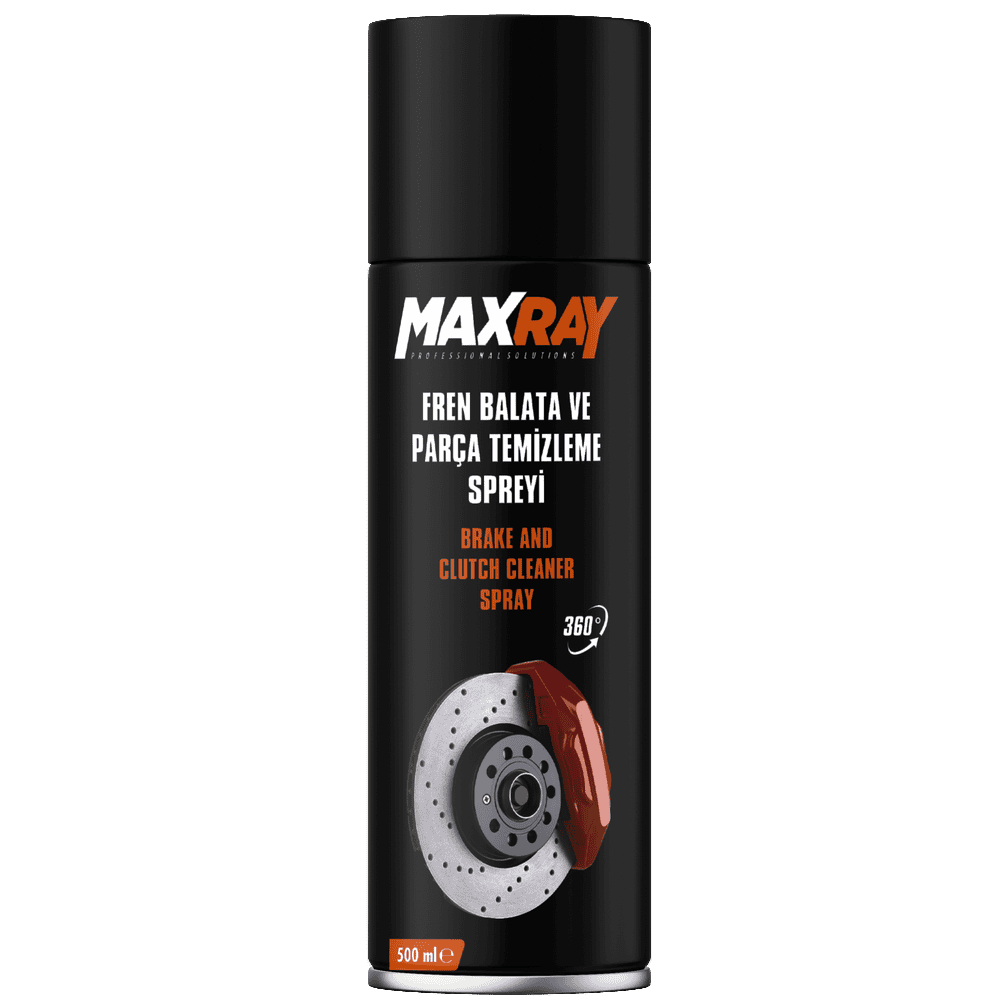
What Is Brake Cleaner Spray?
Gas and brake sensors are essential for safe driving, and the braking system is one of the most critical components of a vehicle. A poorly maintained brake system can make the brake pedal more difficult to press and reduce braking performance. This is where brake cleaner spray becomes extremely valuable. It effectively cleans areas such as the brake sensor and ensures proper functioning.
The engine is another crucial part of the vehicle. When one engine component is faulty, it can cause major mechanical issues. Brake cleaner spray is also used during engine cleaning, as it removes stubborn dirt and deposits.
Brake cleaner spray is not limited to the braking system. It is formulated to clean accumulated dirt, grease, and grime from various parts of the vehicle. Since dirt build-up can negatively affect performance over time, learning how to use brake cleaner spray correctly is essential for any vehicle owner.
What Does Brake Cleaner Spray Do?
As a vehicle is used, dirt naturally accumulates. This dirt is not superficial—it typically forms on internal components such as:
- brake pads
- engine components
- transmission surfaces
- calipers and drums
- clutch parts
These areas can accumulate carbon deposits, oily residues, mud, dust, grease, tar, and grime. If not removed, these contaminants can shorten the lifespan of brake pads and reduce braking efficiency.
Brake cleaner spray contains powerful chemical solvents that break down and remove these deposits quickly. When used correctly, brake cleaner:
- restores braking performance
- prevents premature part wear
- boosts overall vehicle efficiency
- keeps components operating safely
Correct usage is crucial—its effectiveness depends entirely on proper application.
Cleaning the Engine With Brake Cleaner Spray
Brake cleaner spray can also be used to clean the engine bay. Its special formula dissolves dirt instantly, making it suitable for hard-to-reach areas that cannot be washed with water. Since excessive water exposure can cause engine damage, brake cleaner spray offers a safer alternative.
How to use brake cleaner for engine cleaning:
- Wipe the engine surface with a dry cloth first.
- Spray brake cleaner directly onto dirty areas.
- Allow the solvent to dissolve dirt.
- Wipe again if needed and repeat the process for stubborn grime.
Because engine bays often accumulate heavy dirt over time, brake cleaner is extremely effective at removing:
- mud
- dust
- oil
- grease
- tar
The process is simple and does not require removing engine parts.
How to Use Brake Cleaner Spray
Using brake cleaner spray requires attention to specific safety guidelines. Incorrect use can damage certain vehicle parts.
Important usage rules:
✔ Never spray onto hot surfaces.
Chemical reactions may occur, leading to dangerous results.
✔ Use only when the engine and components are cool.
✔ Test on plastic areas first.
Brake cleaner may cause discoloration on certain plastics.
✔ Be careful around painted and polished surfaces.
Its high spray pressure may cause overspray damage.
✔ Shake well before use to mix the formula thoroughly.
✔ Clean the area with a cloth before applying.
✔ Apply multiple times if needed for complete cleaning.
Following these rules ensures safe and effective application without causing any damage to your vehicle.
When Should Brake Cleaner Spray Be Used?
There is no strict schedule for using brake cleaner spray, but it should be applied:
- whenever brake performance feels reduced
- if the brake pedal becomes harder to press
- when dirt or oil buildup is visible
- during regular maintenance intervals
If you no longer see improvement after using brake cleaner, your brake system may have a deeper mechanical problem requiring professional inspection.
Brake cleaner spray can also help solve performance issues caused by dirt accumulation in other areas of the vehicle. If performance does not improve even after cleaning, a visit to an auto repair shop is recommended.
Are There Any Risks of Brake Cleaner Spray?
Brake cleaner spray contains strong chemicals. While it does not harm vehicle components, it may cause:
- skin burns or irritation if touched
- discoloration on plastic or painted surfaces
If the product comes into contact with your skin and causes burning, do NOT wash with water—seek medical help immediately.
Aside from this, brake cleaner does not damage the vehicle as long as it is used according to instructions.